Are enterprises finally moving past the automation trap?
Replacing headcount with software has proven to be an expensive miscalculation. The real competitive frontier lies in amplifying human judgment across redesigned operating systems.
Question-led essays, a jobs library that did not exist a decade ago, and podcasts that argue properly.

Replacing headcount with software has proven to be an expensive miscalculation. The real competitive frontier lies in amplifying human judgment across redesigned operating systems.
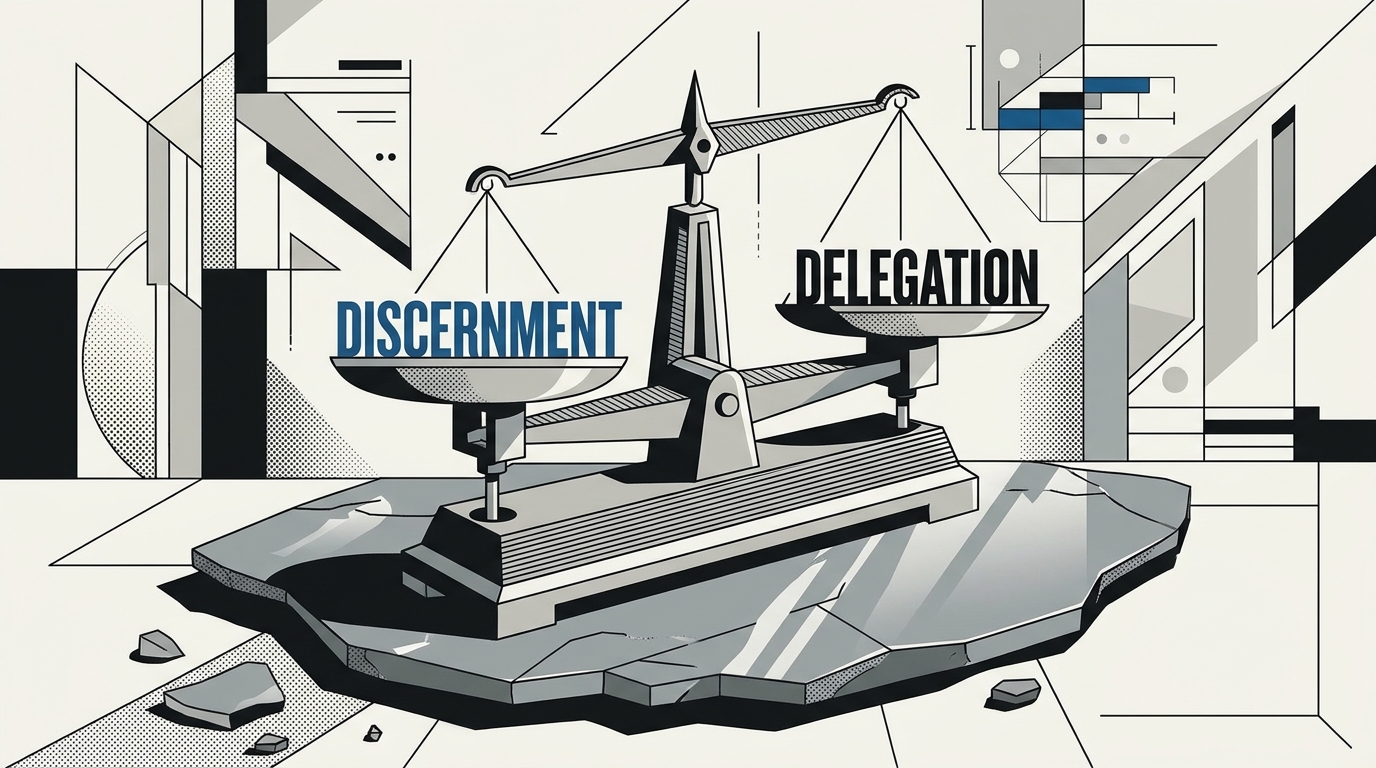
As digital agents multiply across core enterprise systems, routine execution is becoming cheap and ubiquitous. High-value work now belongs to professionals who can audit synthetic reasoning and govern autonomy.
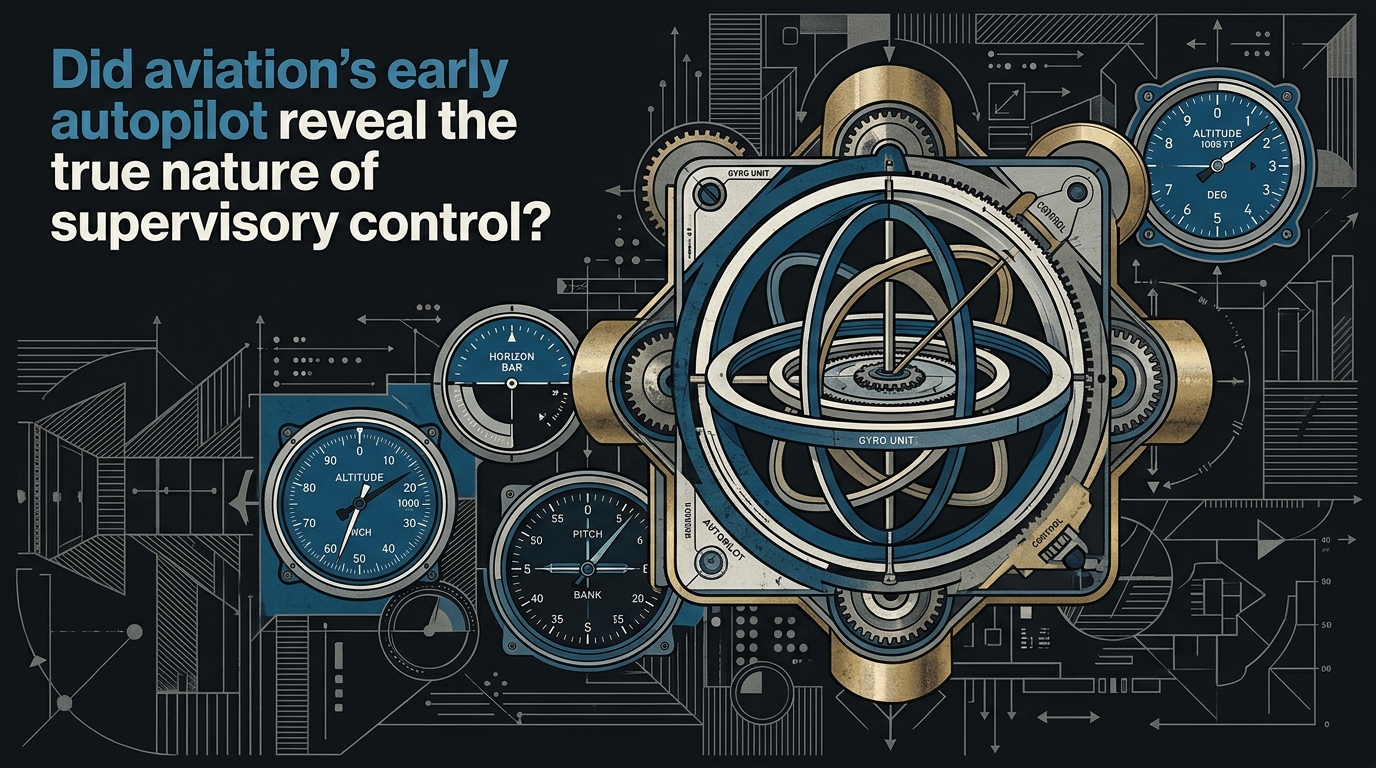
When automatic gyroscopic steering arrived in the cockpit, sceptics assumed human pilots were obsolete. Instead, flight crews evolved into system orchestrators whose primary duty was vigilant diagnosis.
Staff are quietly reclaiming hours each week using automated tools, yet enterprise returns remain curiously flat. Without deliberate structural redesign, saved time dissipates into administrative noise.
Technology vendors are ditching generic rollout manuals to embed specialised technical talent directly inside client operations. These hybrid professionals are quietly defining the human frontier of systems modernisation.
In 1951, J. Lyons and Co. unveiled the world's first commercial computer to calculate payroll and tea shop inventory. They discovered that processing speed meant nothing without inventing new human disciplines.
Autonomous agents are multiplying across corporate workflows at staggering speed. Yet mature supervisory models remain vanishingly rare, forcing a shift towards calibrated autonomy.
Treating headcount reduction as the primary goal of automation is already faltering. The emerging career frontier belongs to professionals who design workplaces around human discernment.
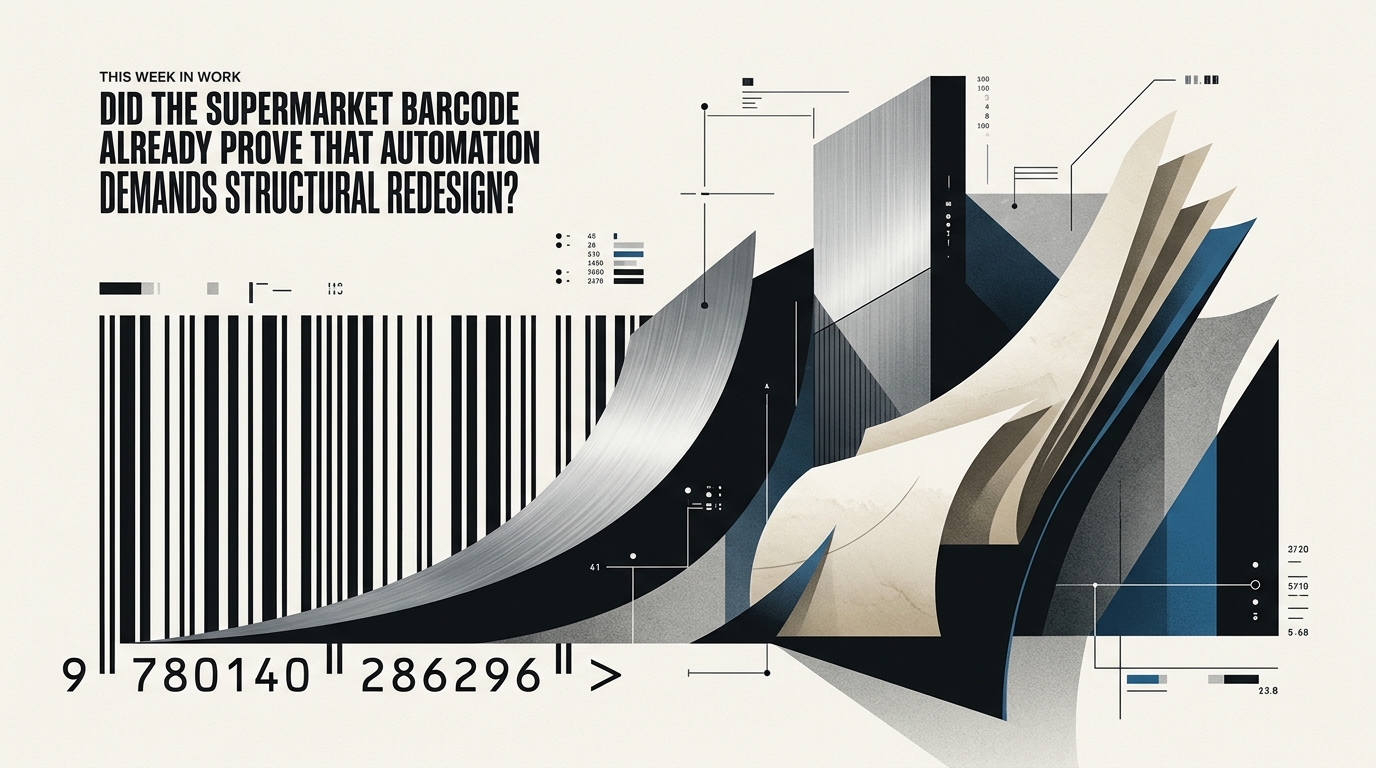
When optical scanners first arrived at checkout counters in 1974, executives anticipated immediate staff cuts. Real productivity arrived only after the entire supply chain was rebuilt.
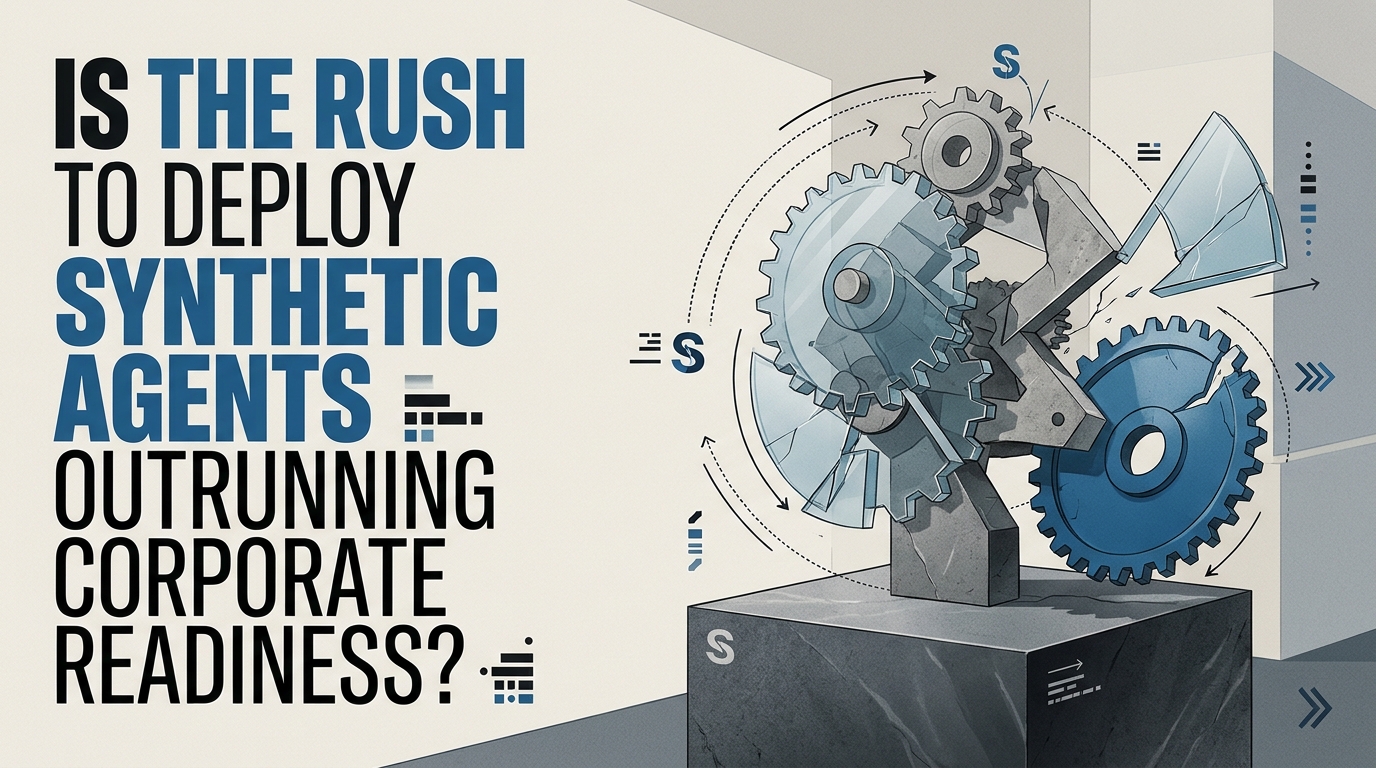
While enterprise agent deployments have surged dramatically, transformative returns remain stubbornly rare. Closing the divide requires restructuring business processes rather than simply automating existing tasks.
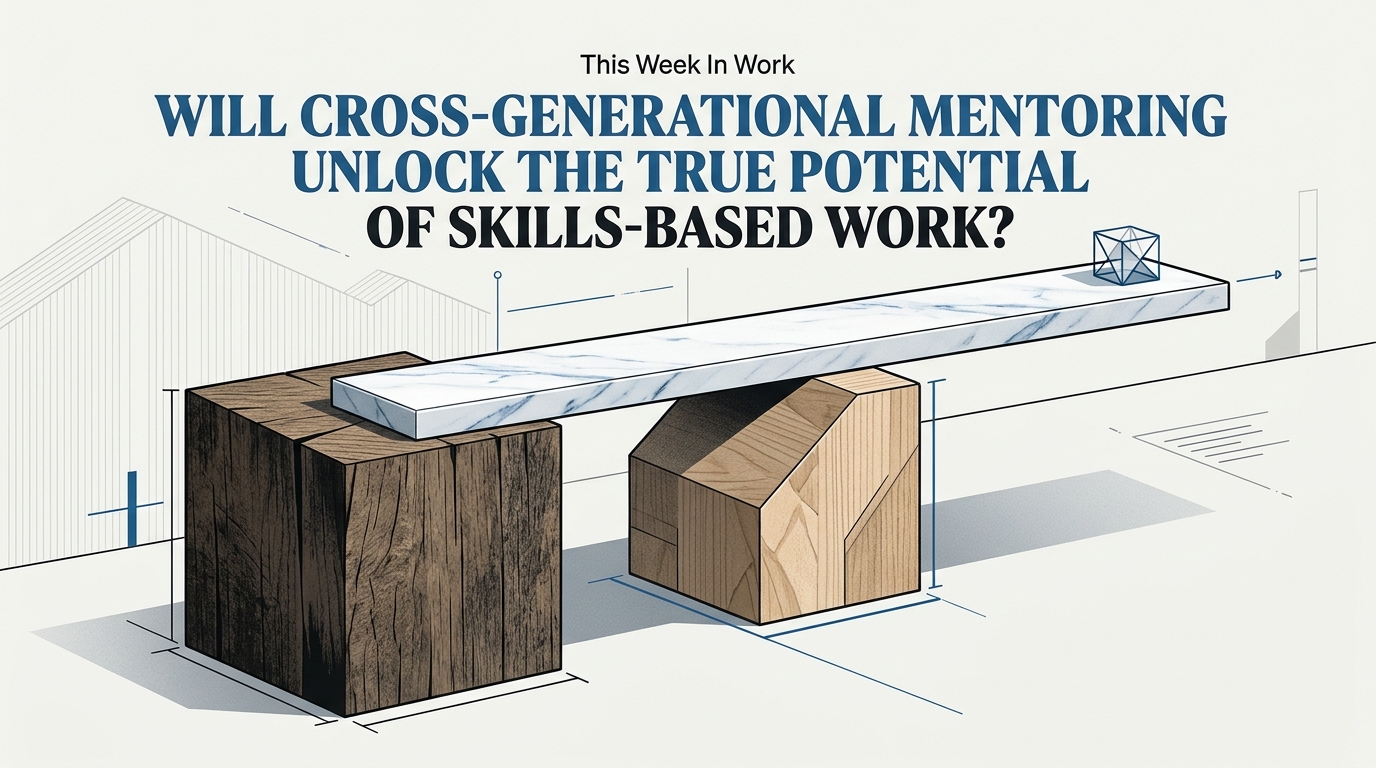
As static job titles give way to dynamic capability frameworks, forward-thinking employers are reinventing workplace apprenticeships. Cross-generational knowledge exchanges are turning technological change into a powerful cultural unifier.
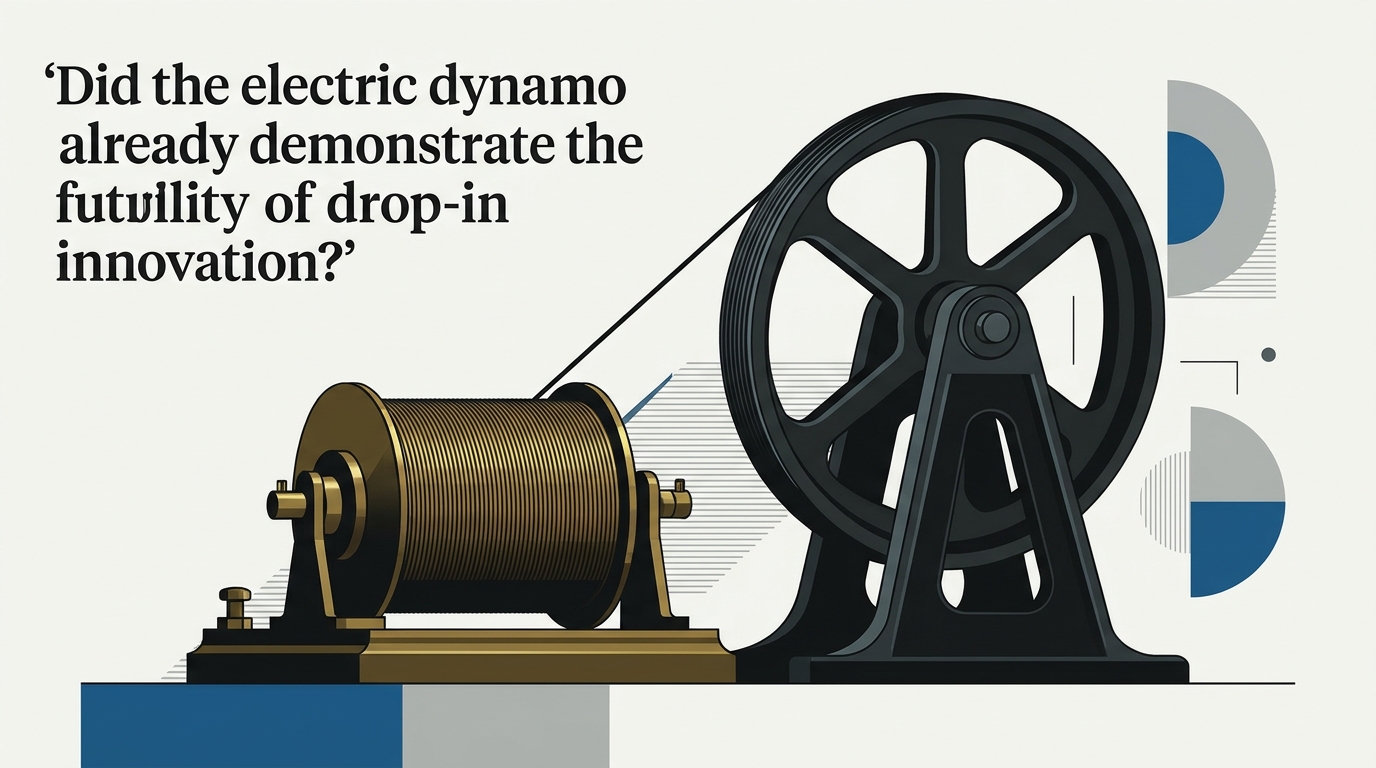
When electric motors first arrived in nineteenth-century factories, productivity remained stubbornly stagnant for decades. Real economic gains arrived only when factory owners abandoned steam-age layouts and fundamentally rebuilt their shop floors.
Frontline workers are clawing back entire days each week through automated task execution. Yet without deliberate redirection, corporate time dividends risk evaporating into ambient administrative noise.

As synthetic colleagues assume routine execution, managing the interface between staff and software has become crucial. The ability to choreograph hybrid talent is swiftly emerging as enterprise work's premier discipline.
When standardised steel boxes arrived in docks during 1956, their genius lay beyond the metal shell. Transport only transformed when ports, cranes, and railways rebuilt themselves entirely around the format.
Deploying autonomous software across tangled corporate processes rarely yields results. Real operational velocity demands simplifying the work before setting agents loose.
As autonomous systems shoulder multi-step execution, organisations need experts who can shape intelligent collaboration. Far from diminishing talent, the rise of interaction specialists is elevating corporate craft.
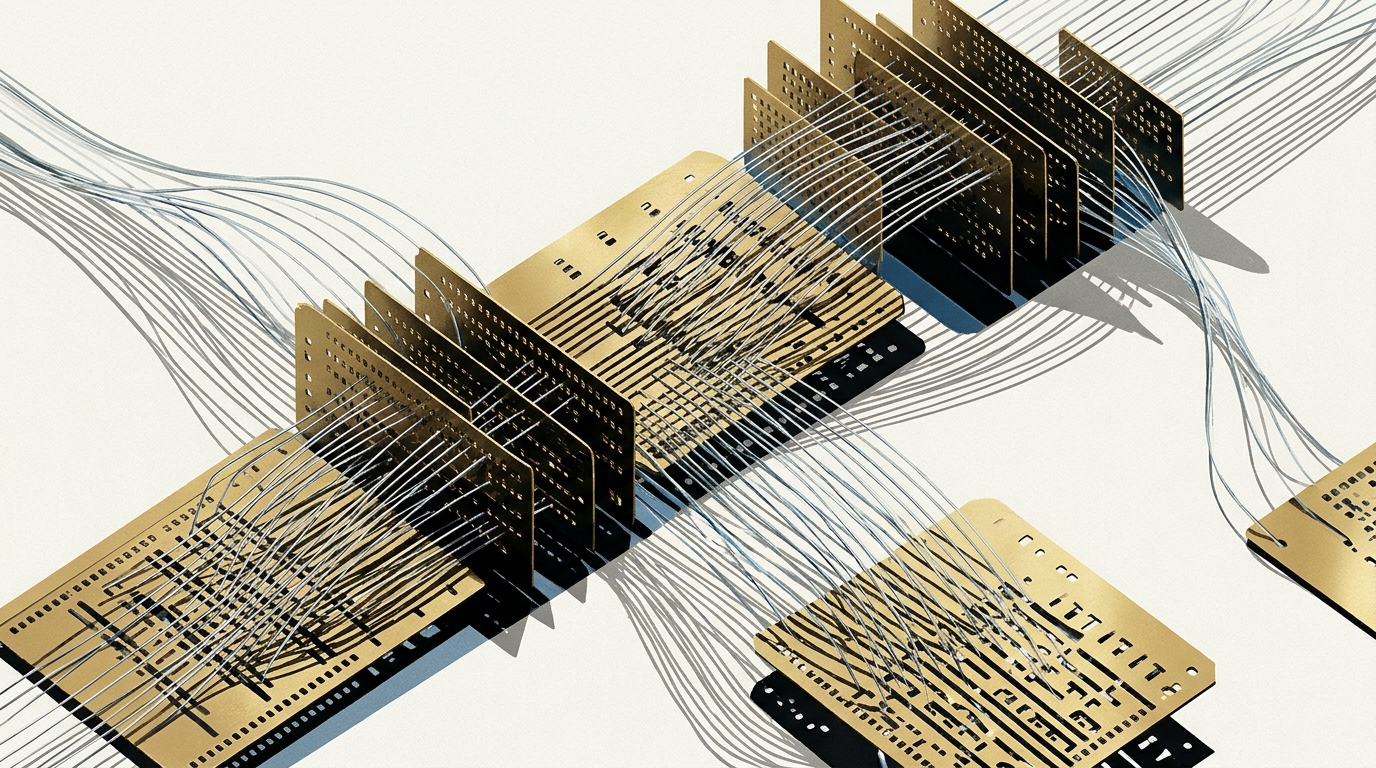
When Herman Hollerith automated census data, sceptics feared an administrative wipeout. Instead, it birthed modern information management and expanded institutional ambition.
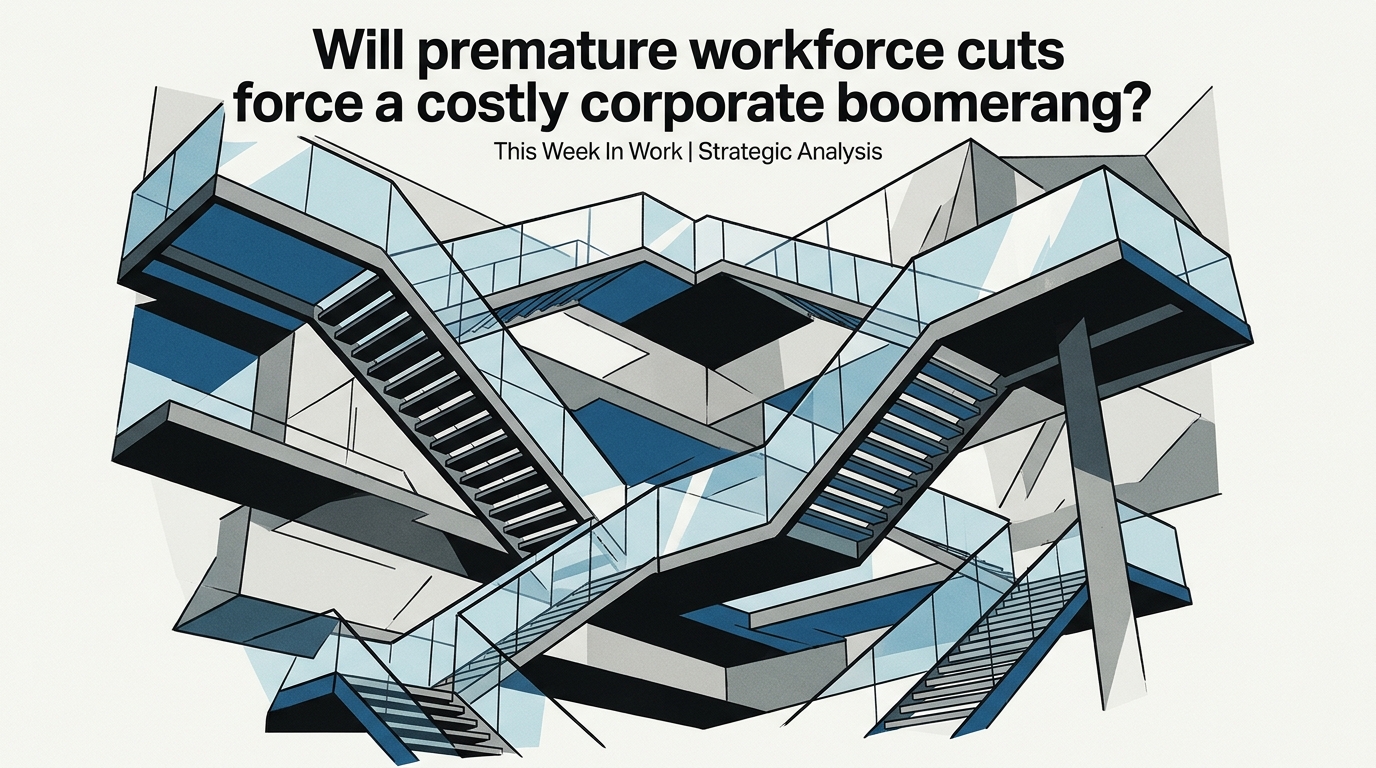
Shedding staff under the banner of automation is already yielding diminished returns. Forward-thinking organisations are discovering that amplification, not subtraction, delivers enduring enterprise value.
As autonomous agents absorb routine execution, organisations are minting a new tier of human oversight. The emerging quality steward balances machine velocity with contextual nuance.
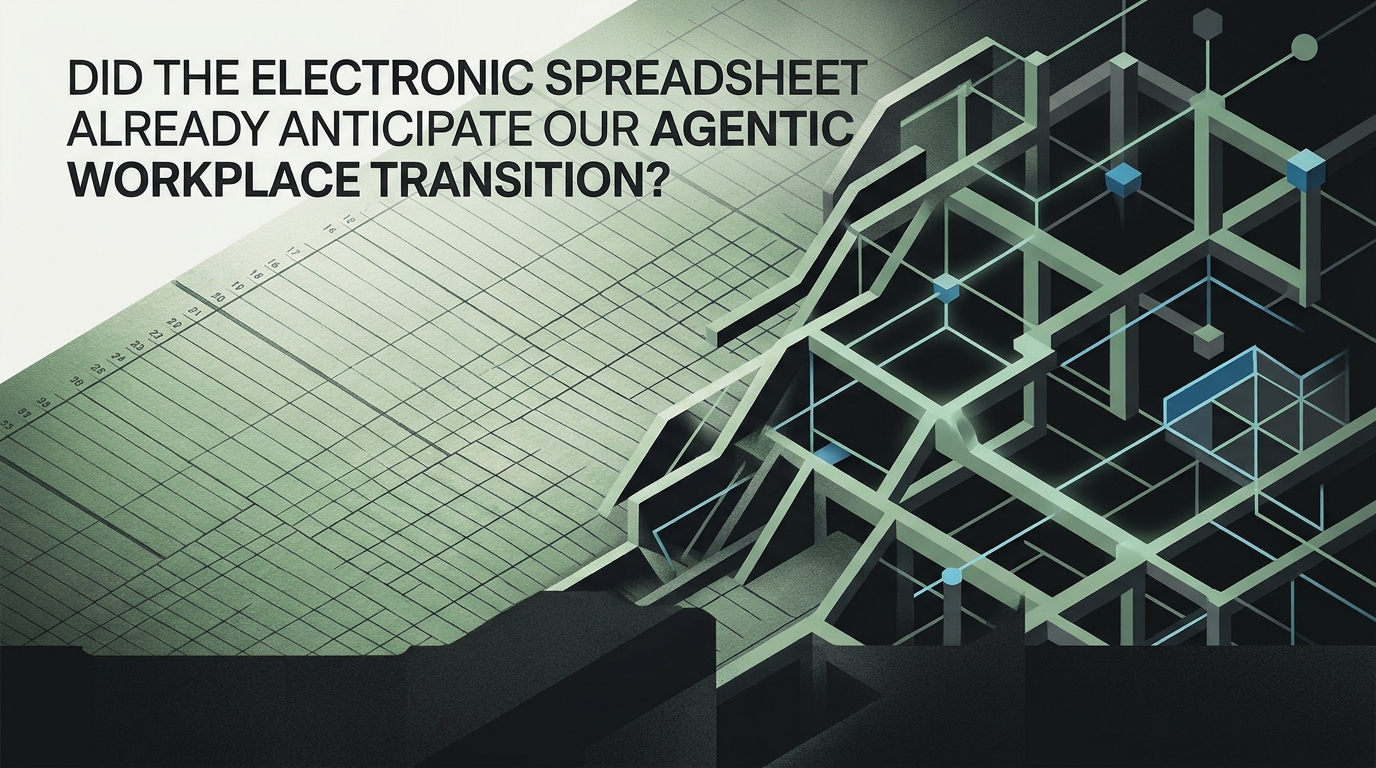
When VisiCalc arrived in 1979, bookkeepers were widely expected to vanish from corporate rosters. Instead, reducing the cost of calculation sparked an insatiable appetite for strategic analysis.

The rapid expansion of autonomous software agents is testing conventional management orthodoxy. Sustainable enterprise value appears to rely less on hands-off delegation than on deliberate human steering.
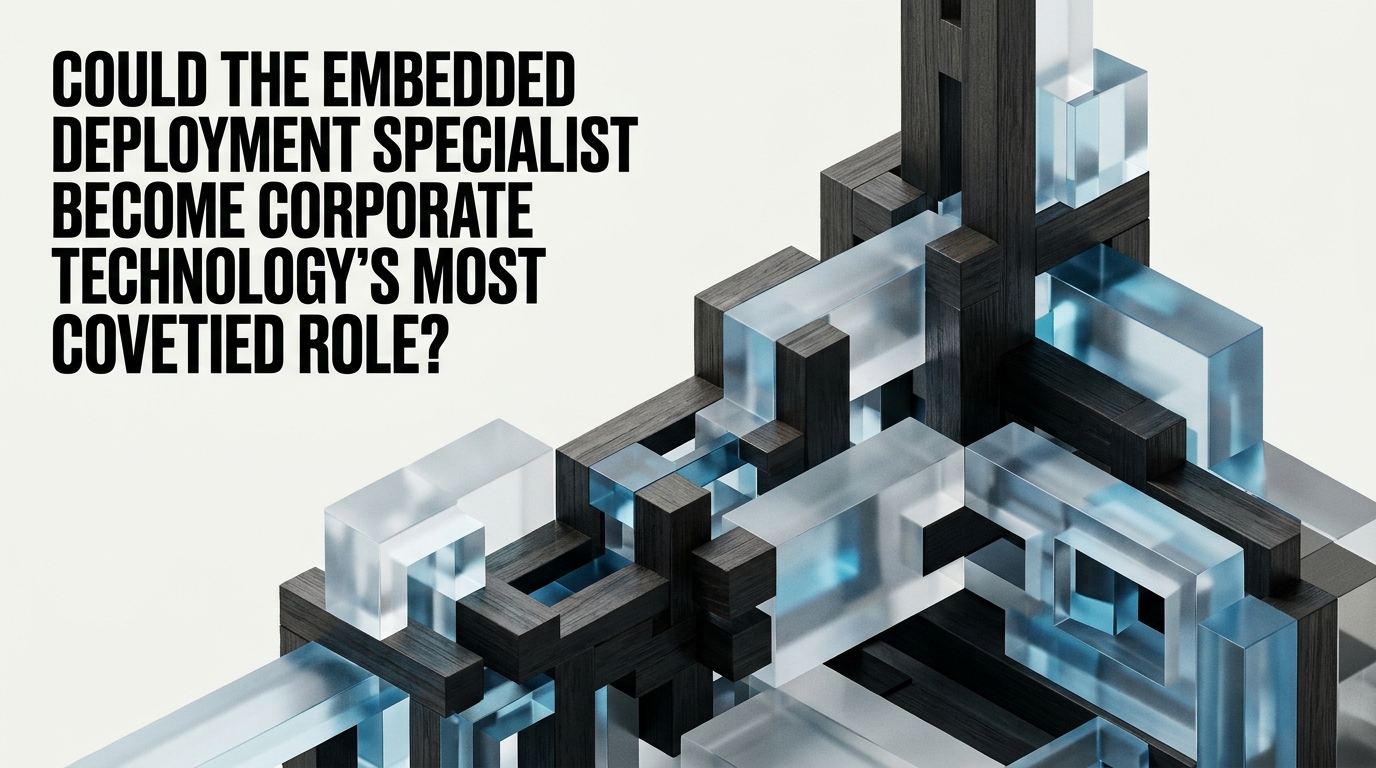
As cognitive systems integrate into daily enterprise workflows, the wall between software engineering and operational craft is tumbling down. Specialist technologists are stepping directly into line-of-business teams to build from within.
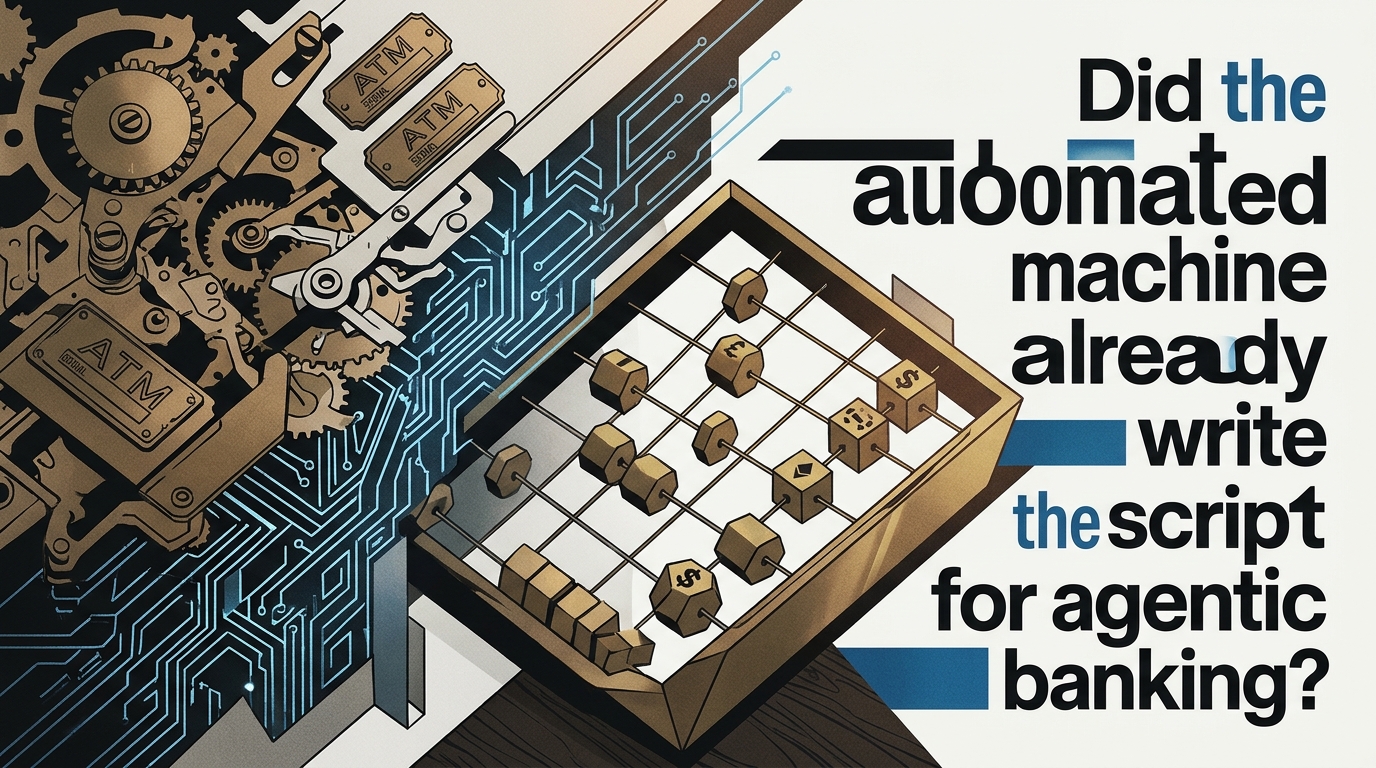
When automatic cash machines first lined British high streets, observers predicted the swift demise of bank branches. Instead, decoupling staff from repetitive counting triggered an era of higher-touch advisory service.
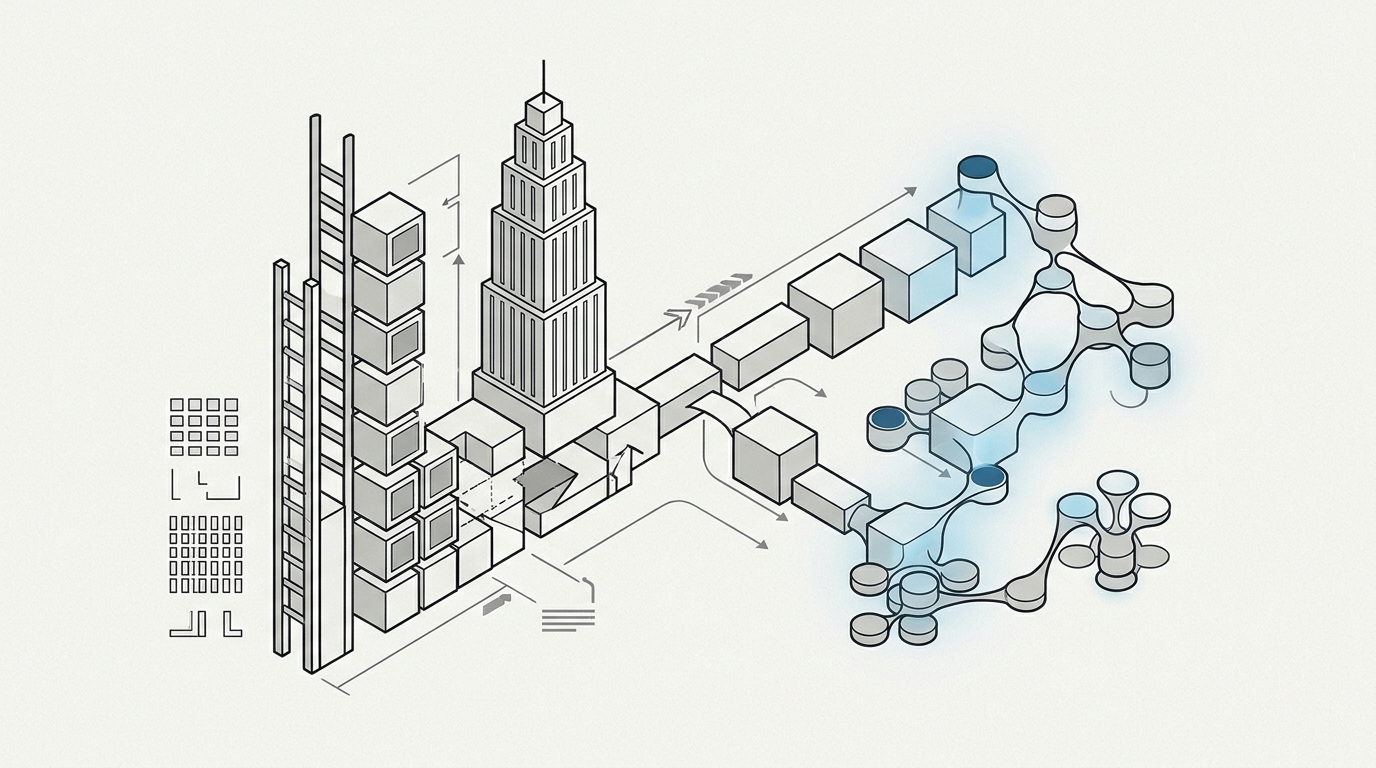
For over a century, corporate growth was measured by the addition of desks and reporting lines. As autonomous systems take on complex execution, enterprise design is being rebuilt around capabilities rather than headcount.
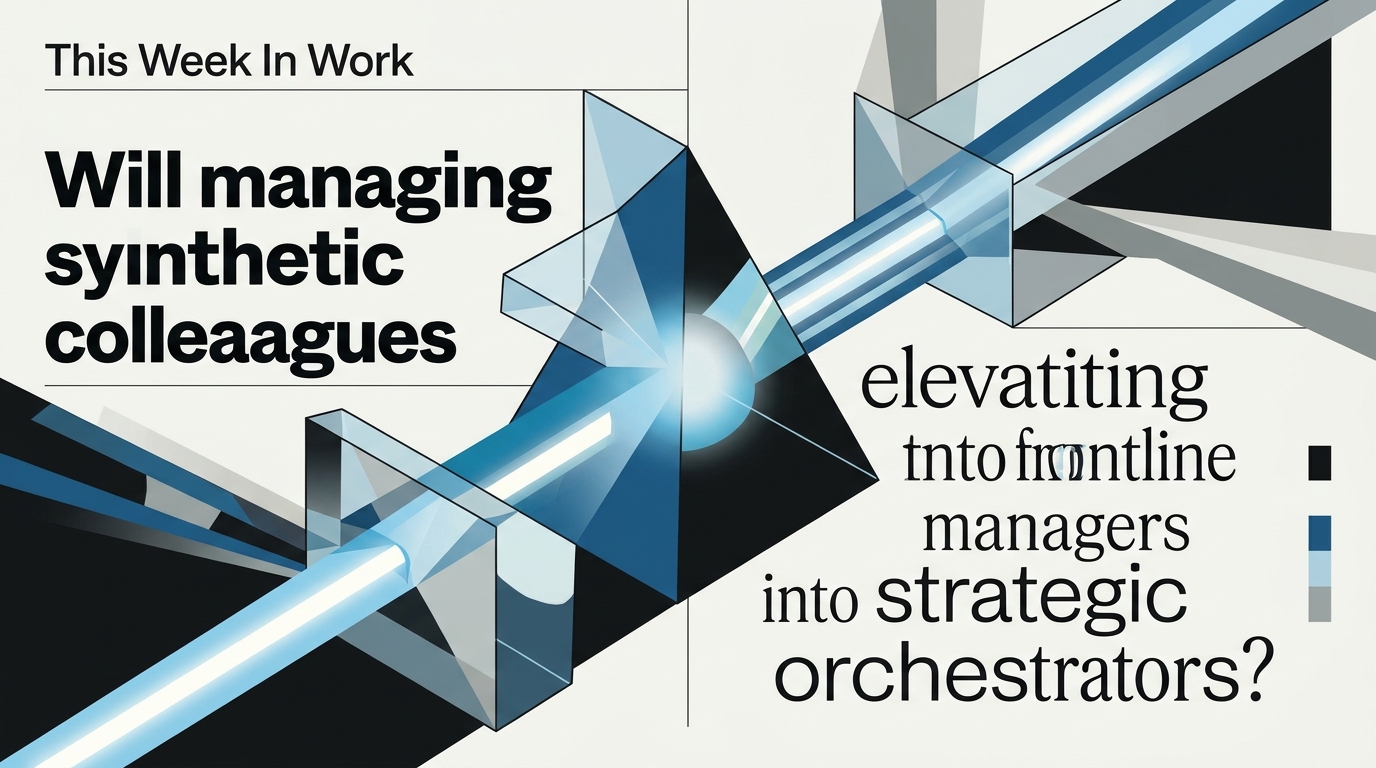
Frontline management has spent decades bogged down in administrative oversight and schedule coordination. The migration toward agentic coworkers is transforming team leaders into conductors of human and machine collaboration.
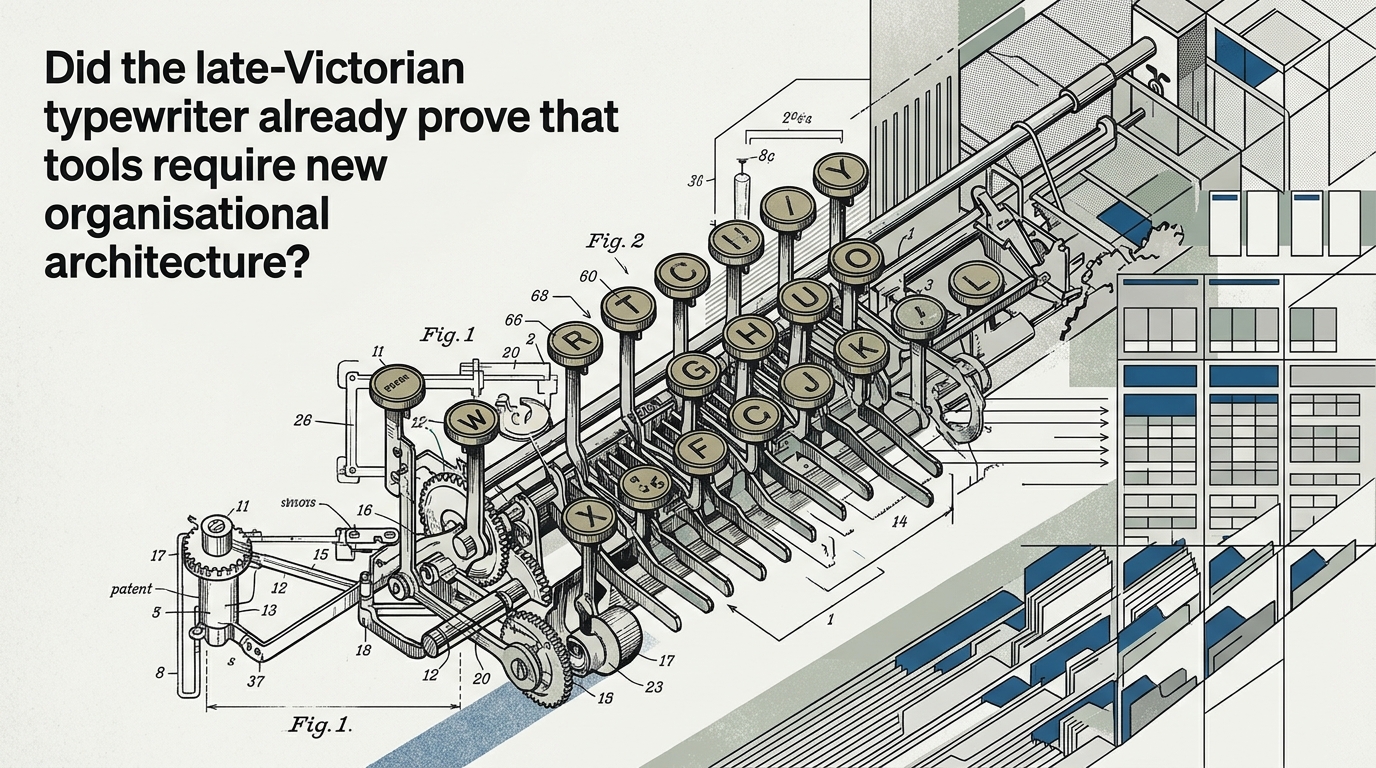
When mechanical typing entered Victorian commercial offices, executives imagined it simply as a faster quill. In reality, realizing its promise required the complete invention of the modern filing system.
The explosive growth of autonomous software agents masks an inconvenient operational bottleneck. Real efficiency gains require stripping down bureaucratic friction rather than digitising legacy paperwork.
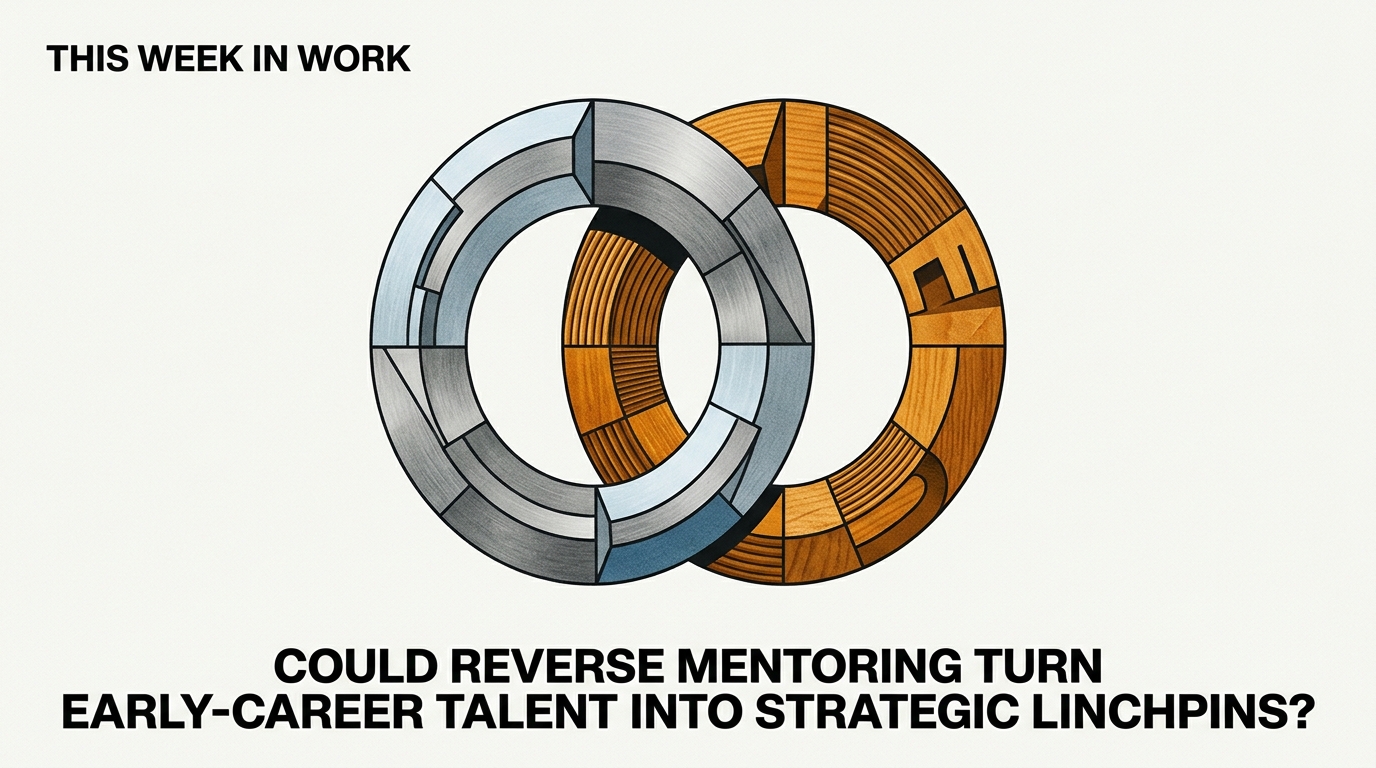
New entrants to the workplace are quietly coaching their senior colleagues through the nuances of collaborative AI. This cross-generational exchange is transforming junior roles into essential cultural anchors.
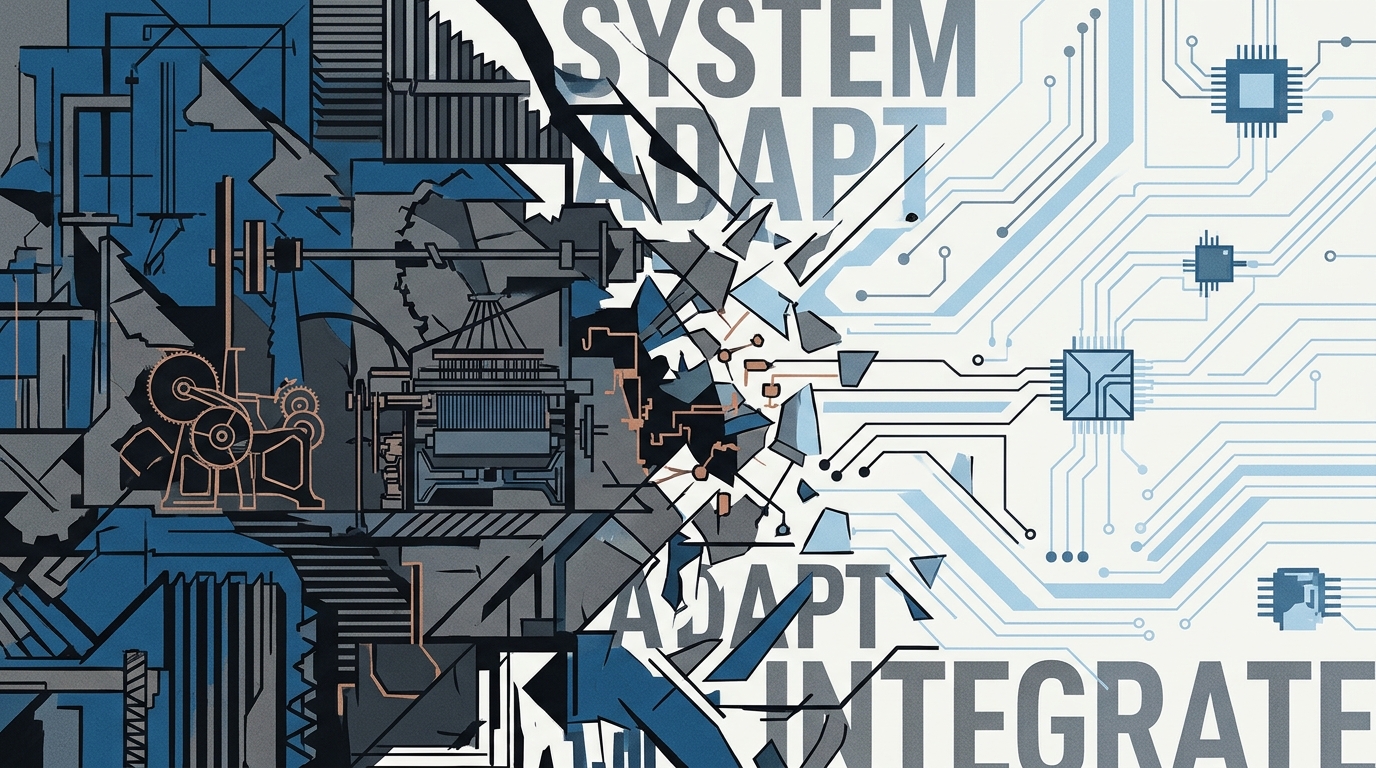
When Victorian mills first adopted electric dynamos, manufacturing productivity stubbornly stalled for decades. Real progress arrived only when industrialists reimagined the entire layout of physical production.
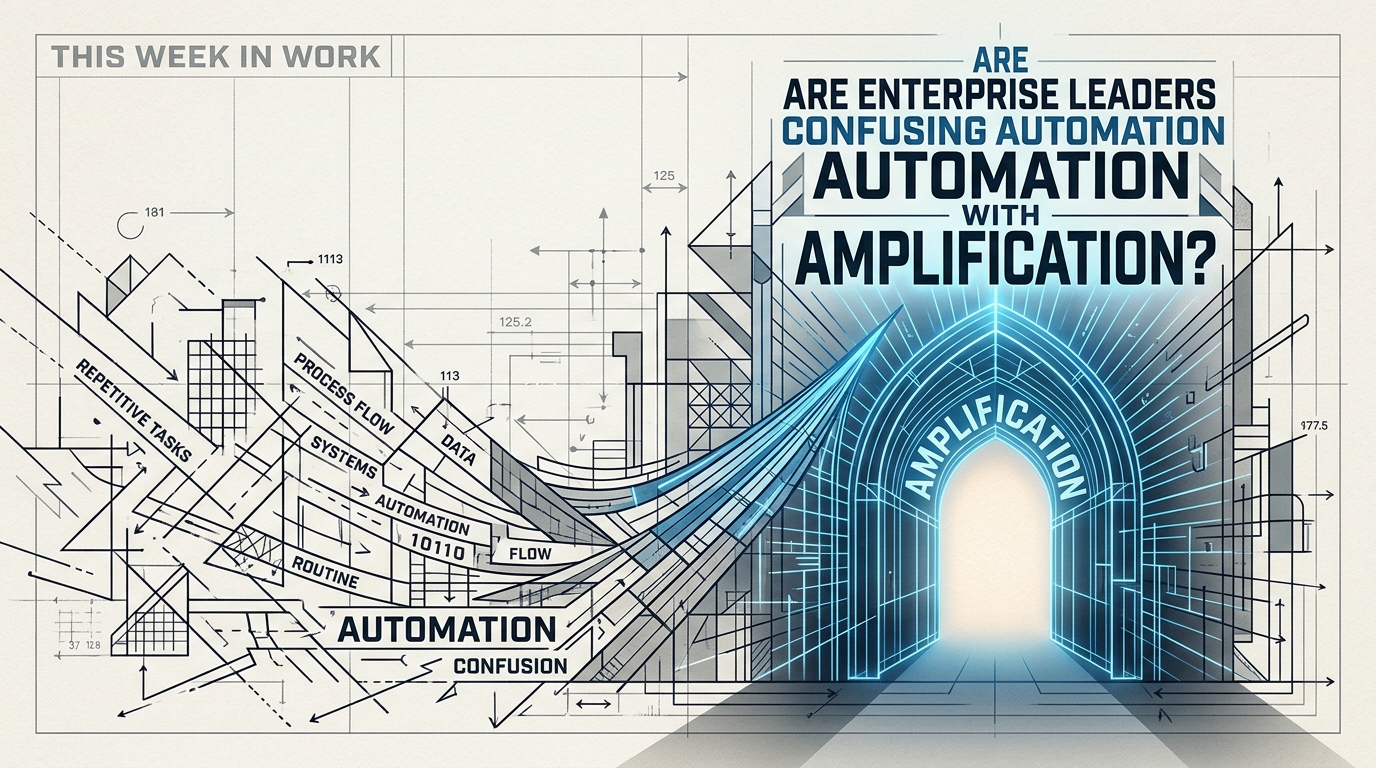
Slashing headcount to pocket quick AI savings is proving to be a costly miscalculation. True enterprise advantage lies in amplifying capability rather than hastily removing humans from the loop.

As autonomous agents multiply across departments, the real bottleneck is no longer code. The most valuable professionals are those who can bridge raw technical capability with frontline business realities.
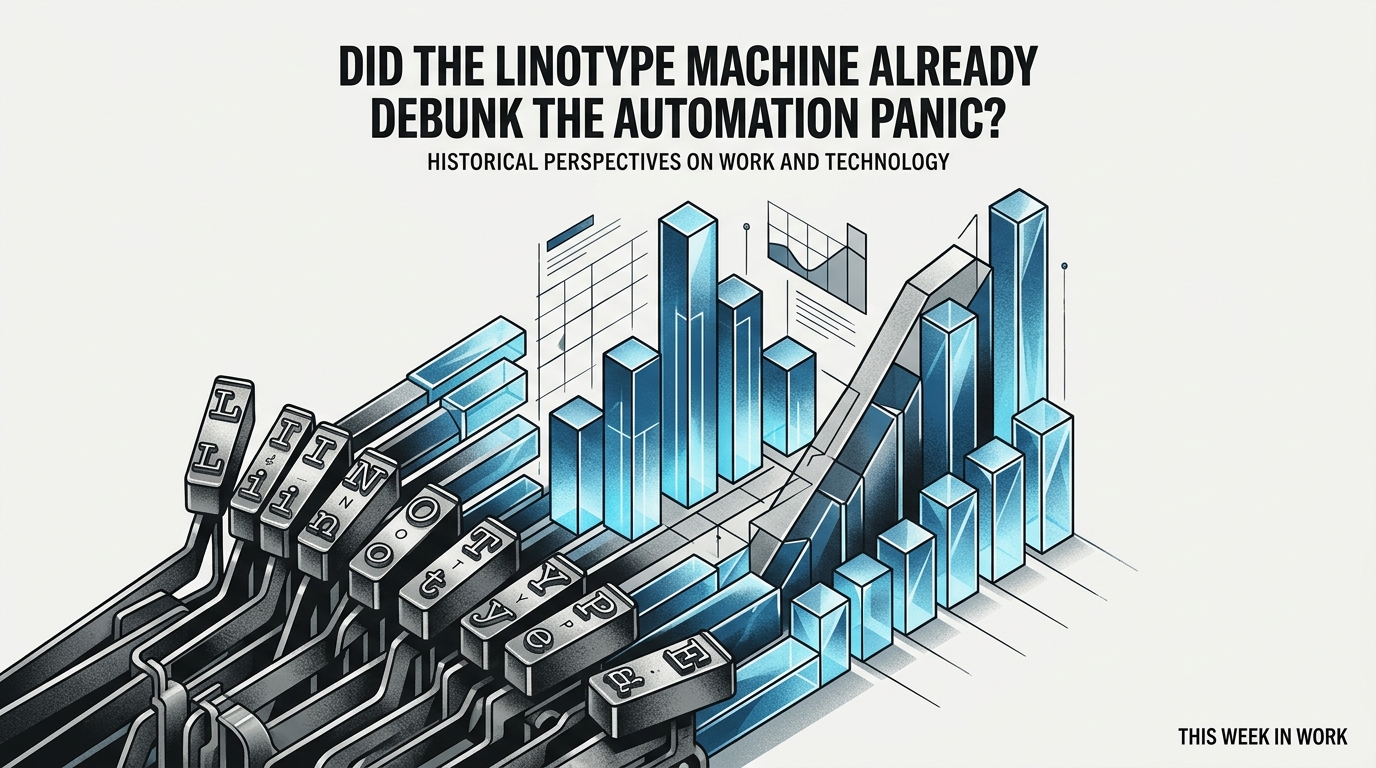
In 1886, printers feared that mechanized typesetting would wipe out an entire trade overnight. Instead, it triggered an information explosion that created more jobs than it consumed.

Replacing payroll with algorithms looks tidy until institutional knowledge vanishes. Forward-looking enterprises are discovering that amplifying human agency pays vastly higher dividends.
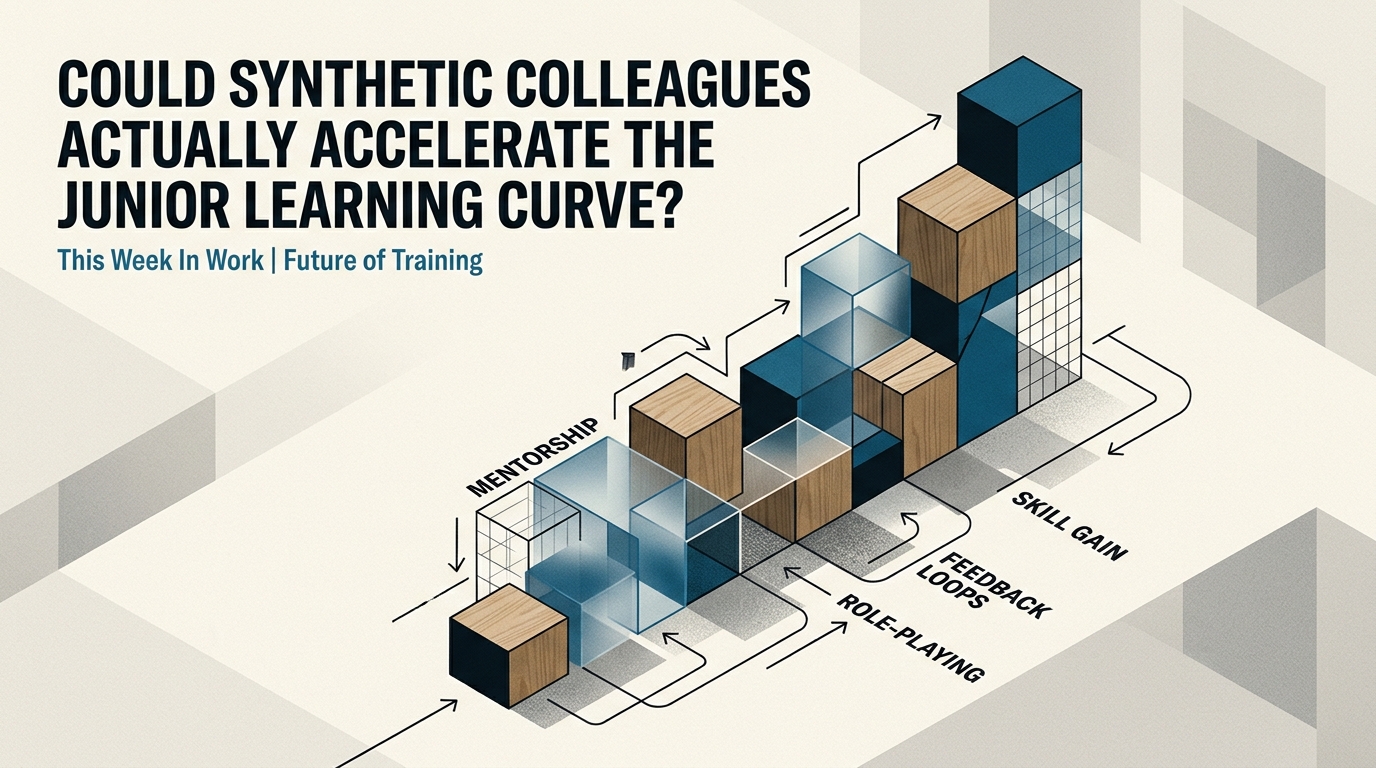
Junior careers long relied on tedious administrative legwork to teach business nuance. Reimagining early roles around orchestration may create the most capable cohort of professionals yet.
Nineteenth-century industrialisation forced human routines into synchronous mechanical locks. Modern distributed coordination is finally allowing work to escape clock-time tyranny.
Deploying autonomous software is straightforward; re-engineering human systems is distinctly harder. As organisations confront the limits of bolted-on technology, the real bottleneck has moved into operational architecture.

Autonomous execution is expanding rapidly, creating a severe shortage of human discernment. Far from eliminating careers, the agentic turn is elevating oversight into a distinct discipline.
Faster cargo vessels yielded negligible economic gains until dockyards abandoned hand-loading for standardised boxes. Today’s algorithmic bottlenecks mirror the freight revolution of the 1950s.
Software agents are executing multi-step workflows at unprecedented speed across corporate systems. Yet real commercial return still depends entirely on whether human workers have the authority to direct the outcomes.
Routine task execution is being handed over to algorithmic helpers across every sector. The resulting hiring demand is tilting towards supervisory roles centred on human judgement and system coherence.

Technological leaps routinely stall until human institutions reorganise how labour is shared. A century after punch-card tabulators entered commerce, the supervisory lesson remains unchanged.
Individual contributors are finishing tasks faster than ever, yet corporate operating margins remain stubbornly unmoved. The missing link is not better software, but the courage to redesign how teams collaborate.
The hiring market is pivoting away from theoretical model builders towards practical systems integrators. The most coveted new roles sit squarely at the intersection of raw computation and departmental craft.
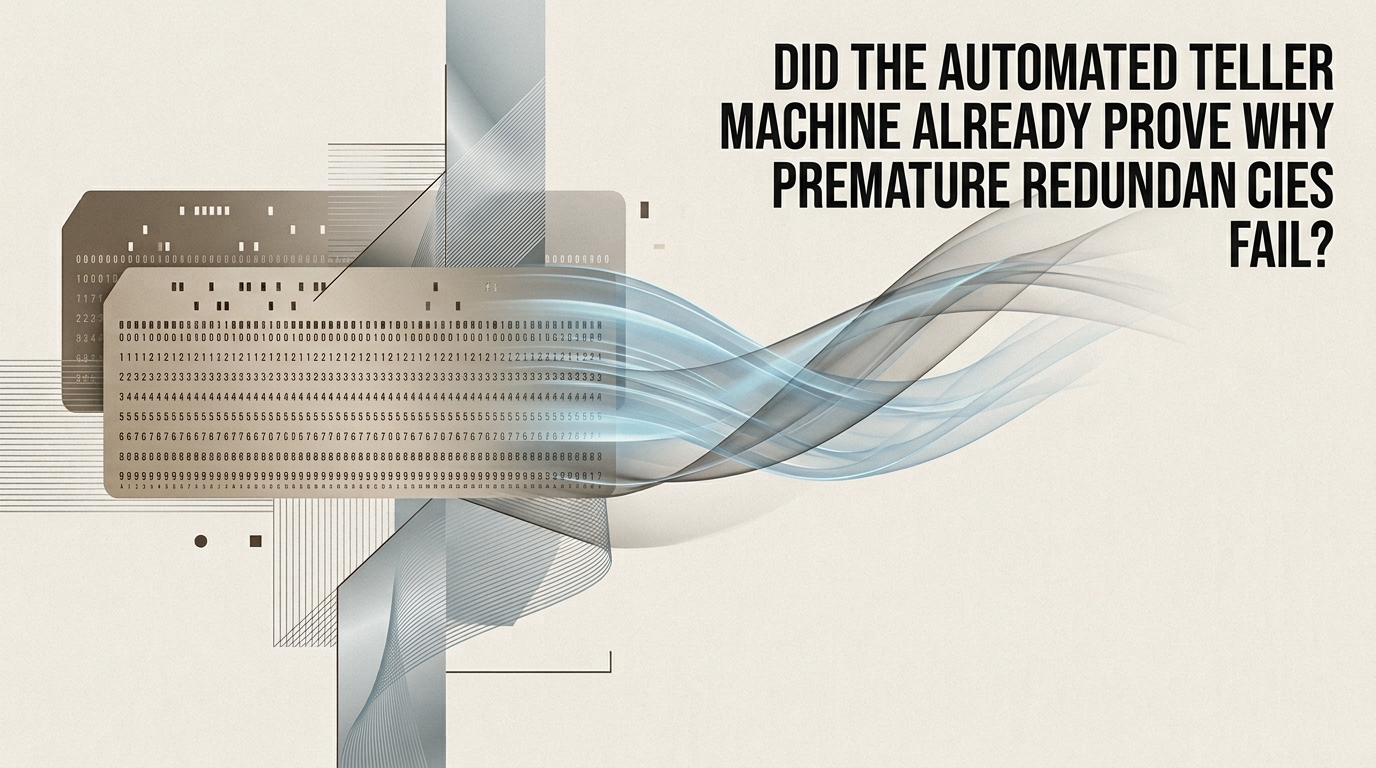
Whenever technological automation slashes transactional overheads, executive suites invariably rush to prune headcounts. History suggests that making routine tasks cheaper invariably expands the market for human judgement.
After half a decade arguing over desks and postcodes, the real battleground has quietly shifted to the clock. Autonomy over hours, rather than geography, is fast becoming the defining metric of workplace freedom.
Static job descriptions are buckling under the weight of rapid technological diffusion. In their place emerges an agile model that prizes skills, agency, and orchestration above all else.
Groundbreaking technology rarely pays off while squeezed into pre-existing workflows. True productivity surges only after organisations redesign how work actually moves.
Software agents are scaling at astonishing rates across enterprises. Yet the real barrier to value is no longer the code, but our structural ability to adapt.
As routine execution shifts toward software agents, human labour is pivoting from doing to directing. A new generation of workplace orchestrators is quietly taking the reins.
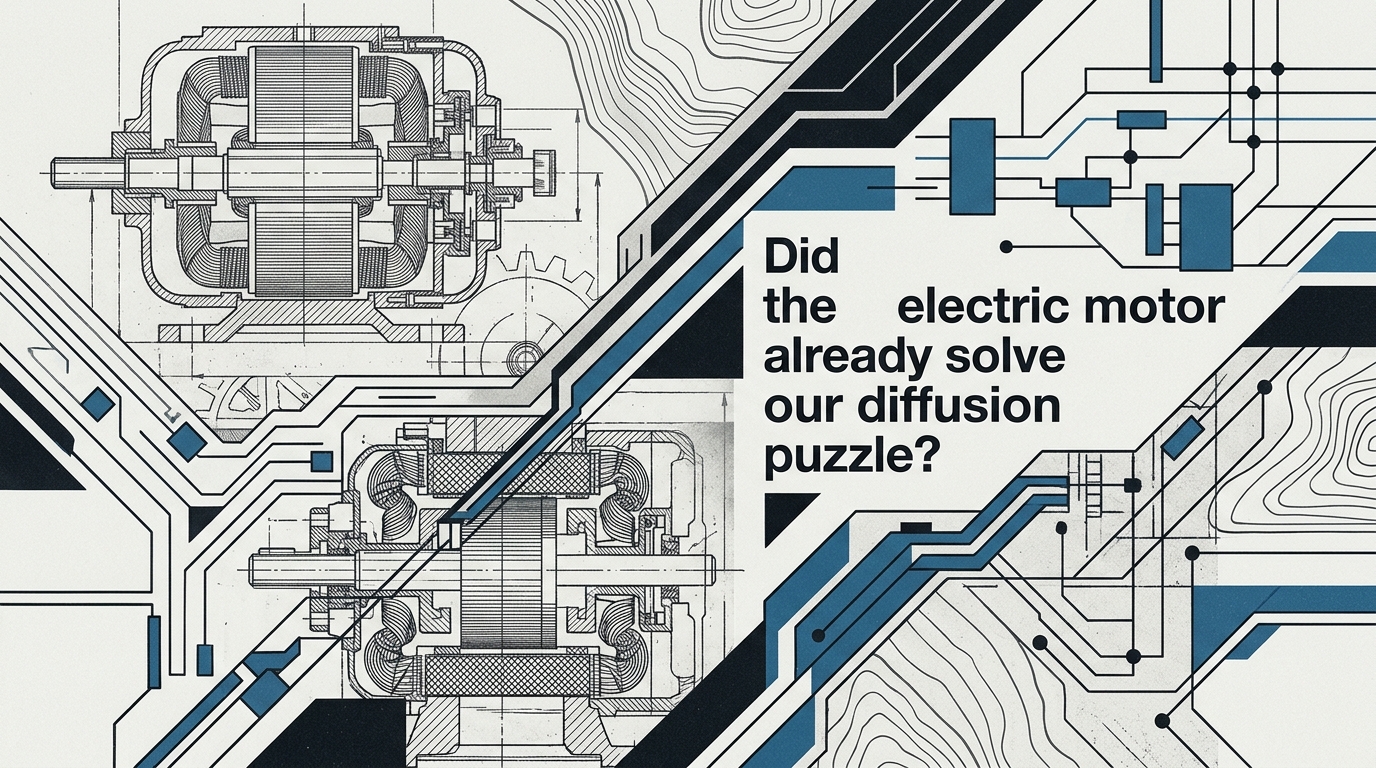
A century ago, factories gained little from steam-to-electric conversions until they rebuilt the factory floor. Today's artificial intelligence pause follows the exact same arc.
Paid AI is mainstream. Intensity is uneven. Hiring follows the heavy adopters. The next chapter of work is less about demos — more about judgement, controls, and redesign.
When two labs take most token dollars and median firms still buy seats, compliance cannot be a binder. It has to ride the invoice and the identity graph.
Paid spend understates workplace AI. Free tools and personal accounts sit outside the ledger — which is exactly where governance usually fails.
Median firms spend about the price of a chat seat. The top 1% spend thousands per employee. Cost discipline is rising even as the invoice stays.
Anthropic and OpenAI take nearly all paid token spend in Ramp’s latest week. The real story is not the logo war — it is how uneven intensity has become.
Agents write the first draft. Managers still own the risk. The week is being quietly reassigned — and most orgs have not redrawn the org chart.
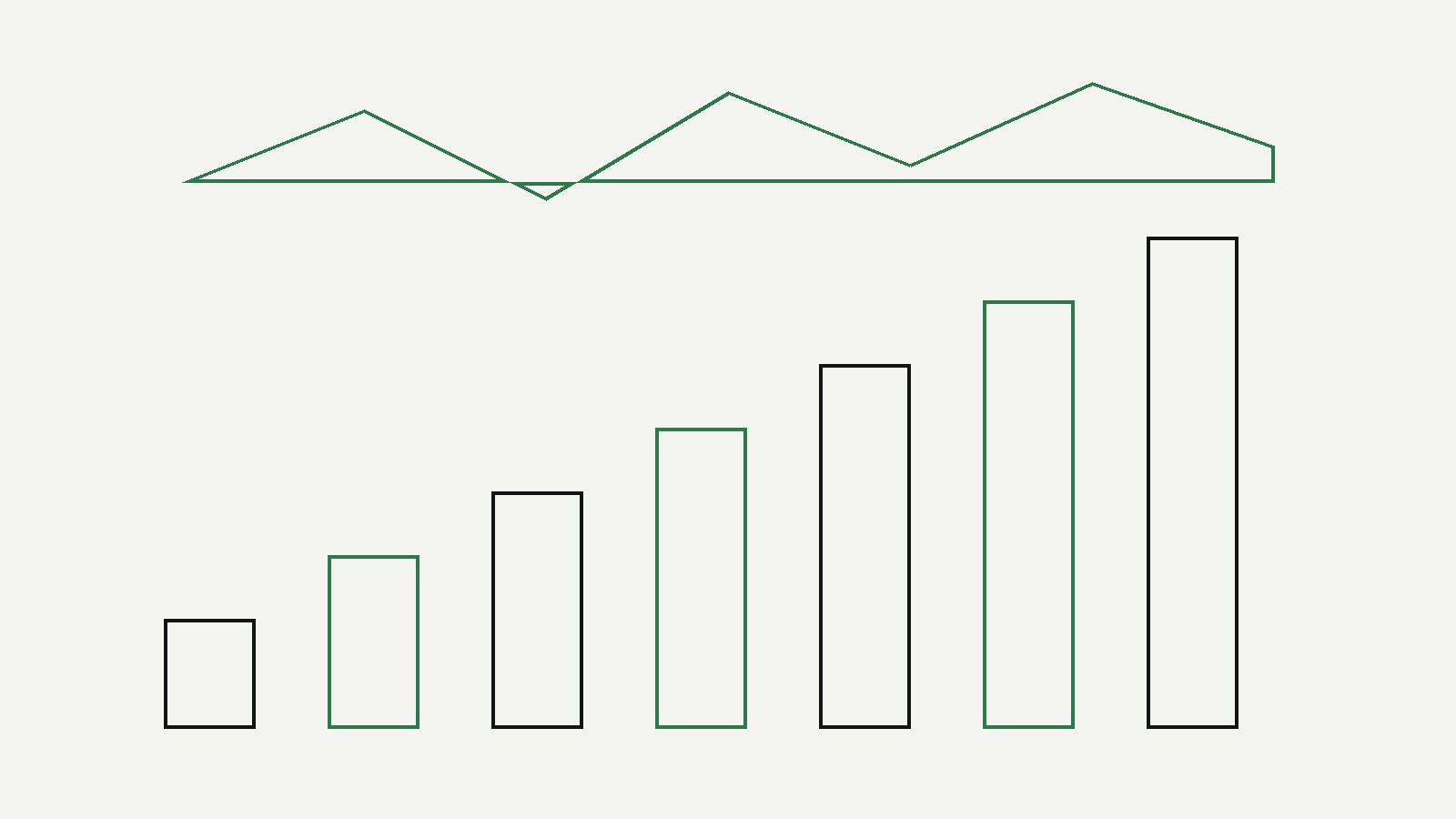
Prompt engineers were the punchline. Then came evaluation leads, forward-deployed engineers, and people whose entire job is keeping agents honest. The upside is hiring.
Factories did not just automate muscle. They rewrote time, skill, and status. The pattern is familiar — if we bother to look.
100+ hard questions about work and tech-at-work — digital skills, balanced AI, future of work, fun, and retro office. Tip of the hat to Jack Schofield Ask.
Surprising Parallel-sourced insights — refreshed with the research pipeline.